
What it Gingivitis and How Can I Get Rid of It?
If you have seen a dental commercial or been to a dentist’s office, you have probably heard the word gingivitis. In fact, almost everyone has heard of gingivitis, but many people really don’t know what it is and what to do about it.
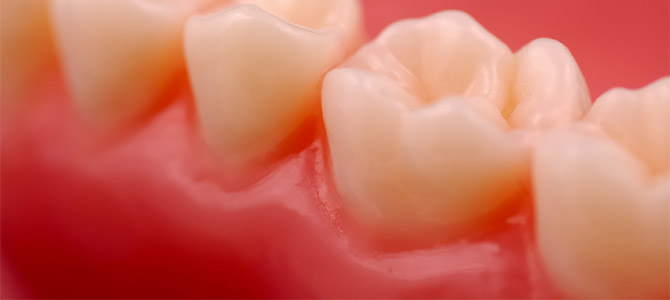
Although you may hear people use this word in different ways, gingivitis really just means swelling of the gums. Sometimes you may hear it is called a disease (gum disease), but it is just a term to describe your gums when they get swollen, inflamed (red), and painful. Sometimes they can even bleed when you brush or floss them.
Common Questions About Gingivitis
Who can get gingivitis?
Anyone can get gingivitis if they do not care for their teeth properly. It is plaque that causes gingivitis. Plaque is a clear and sticky layer of bacteria that is constantly growing on your teeth and gums. If you do not brush and floss your teeth every day, the plaque will turn into a toxin that irritates your gums, causing swollen gums (gingivitis).
What if I do not treat my gingivitis?
If you do not treat your gingivitis, it will get hard and turn into tartar. Eventually, it will get infected (called periodontitis), which can cause permanent damage to your teeth and gums. You may lose some teeth when periodontitis damages the bones that support them. In addition, studies done recently have found that periodontitis puts you at a higher risk of having a stroke or heart attack.
How can I get rid of gingivitis?
Once you have gingivitis, you will need to see your dentist to be sure it has not already turned into tartar because that will have to be cleaned off by the dental hygienist. Tartar is a hard shell that will eventually cover the gum line of all of your teeth and cause an infection that will damage your gums, teeth, and even the bone in your jaws.
Can Gingivitis Be Prevented?
Yes. The best way to prevent gingivitis is by brushing and flossing every day and visiting your dentist at least twice per year (every six months). As long as you see your dentist regularly, they can make sure that gingivitis does not have the chance to turn into tartar and cause an infection. There are also some risk factors you should know about:
- Smoking
- Pregnancy
- Diabetes
- Some medications (i.e. birth control pills, steroids)
- Damaged fillings
- Genetics
- Lowered immune system
How do I know if I am brushing my teeth properly?
If you are brushing your teeth properly twice a day and flossing after meals, you should not have to worry about gingivitis. To brush your teeth properly you have to brush all of your tooth surfaces, cheeks, tongue, and top of your mouth for at least two minutes. Mouthwash is another way to keep gingivitis away, but it is best to use the kind without alcohol because alcohol dries out your mouth.